











Introduction: The New Social Contract of Technology
As we cross into the second quarter of 2026, we have reached a pivotal moment in the history of labor. For the past decade, the relationship between humans and computers was one of Master and Tool. We gave a command; the machine executed it. But with the arrival of “Agentic” systems that can reason, plan, and self-correct, that hierarchy has dissolved.
We are now operating under what sociologists and engineers call The Silicon-Carbon Treaty. This isn’t a legal document signed in a marble hall; it is a technical and cultural framework that defines the boundaries of autonomy. In 2026, a “High-Performance Team” is no longer just a group of humans—it is a hybrid hive mind of Carbon (human) and Silicon (AI) actors. The Treaty is the set of rules that ensures this partnership remains productive, safe, and, above all, human-centric.
1. The Principle of Recursive Oversight
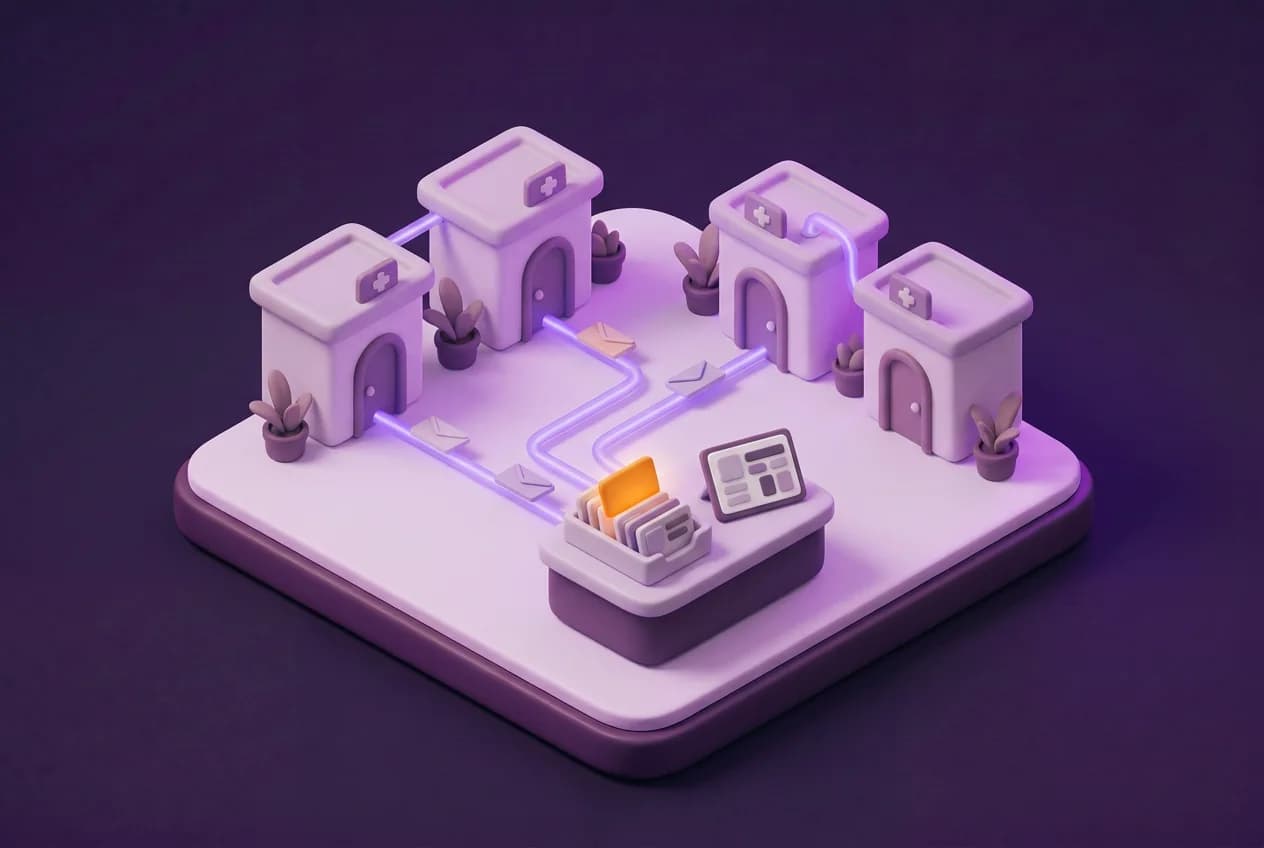
In the Silicon-Carbon Treaty, the most fundamental rule is Recursive Oversight. As AI agents begin to manage other AI agents, there is a risk of “Logic Drift,” where the system optimizes for a goal in a way that is technically correct but practically disastrous.
The Oversight Stack:
- Level 1 (The Worker): Autonomous agents executing micro-tasks (e.g., writing a unit test).
- Level 2 (The Supervisor): A specialized AI auditor that checks Level 1’s work against the system’s “Safety Blueprint.”
- Level 3 (The Human): The Sovereign Architect who monitors the “Heuristic Health” of the entire loop.
The Treaty mandates that no Silicon-to-Silicon loop can exist without a “Carbon-Break”—a point where a human must validate the strategic direction of the evolution.
2. Shared Cognitive Load: The Interface of Intuition
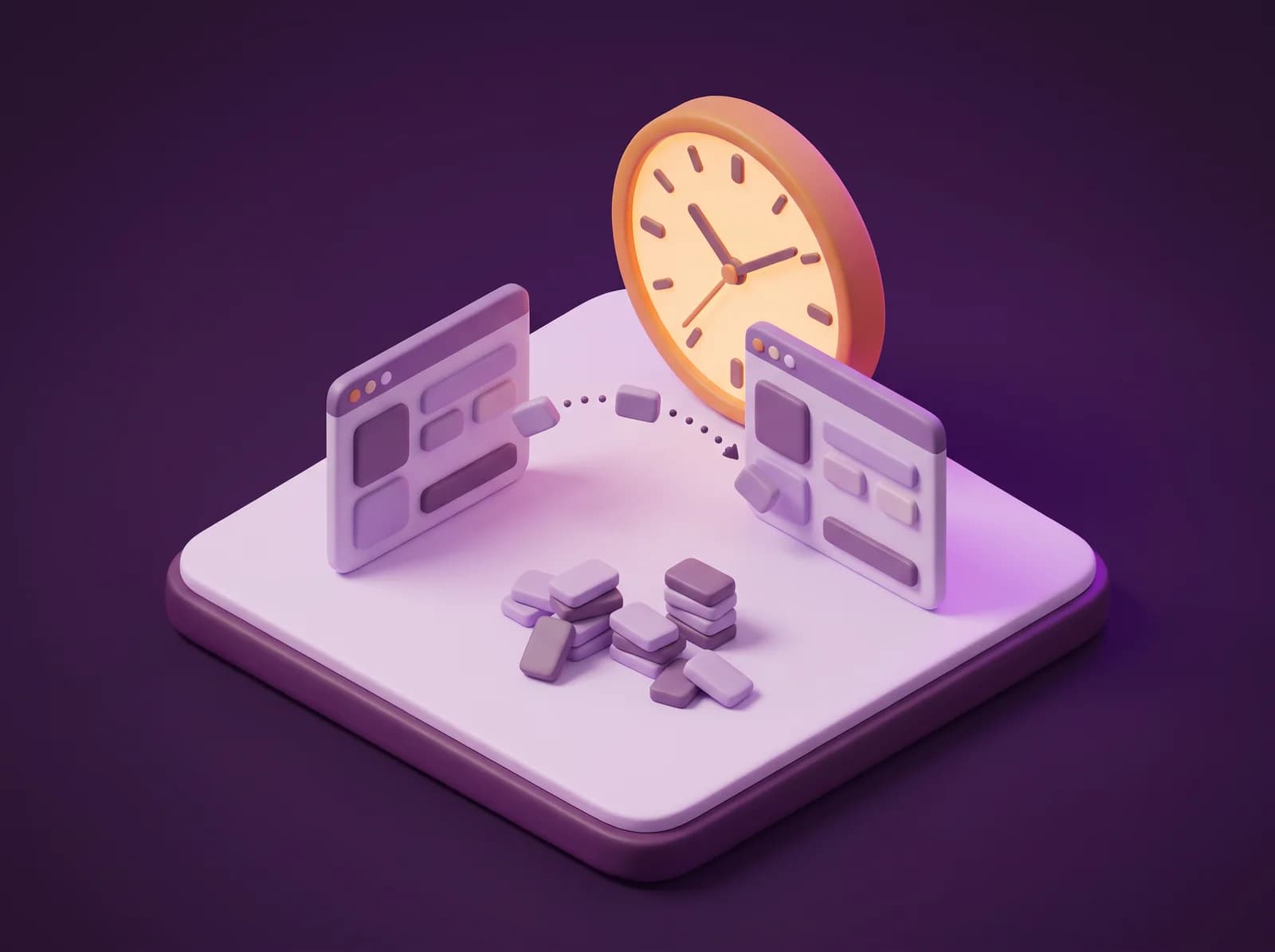
In 2026, the bottleneck of software engineering is no longer typing speed or syntax knowledge; it is Cognitive Bandwidth. The Silicon-Carbon Treaty addresses this through Shared Cognitive Load.
Augmented Intuition: Instead of a developer spending hours debugging, the Silicon partner “pre-digests” the system state. It presents the human with three “Intuition Nodes”—summaries of complex data that require human judgment to resolve.
- The “Vibe” Check: The AI handles the cold logic, but it prompts the human for the “Vibe Check”—asking, “This solution is 5% faster but 20% more complex for future humans to read. Should I proceed?”
- Context Streaming: Using the HCI interfaces discussed in Topic 23, the system streams relevant context directly to the engineer’s workspace, ensuring they never have to “context switch” manually again.
3. The Attribution Ledger: Who Owns the “Spark”?
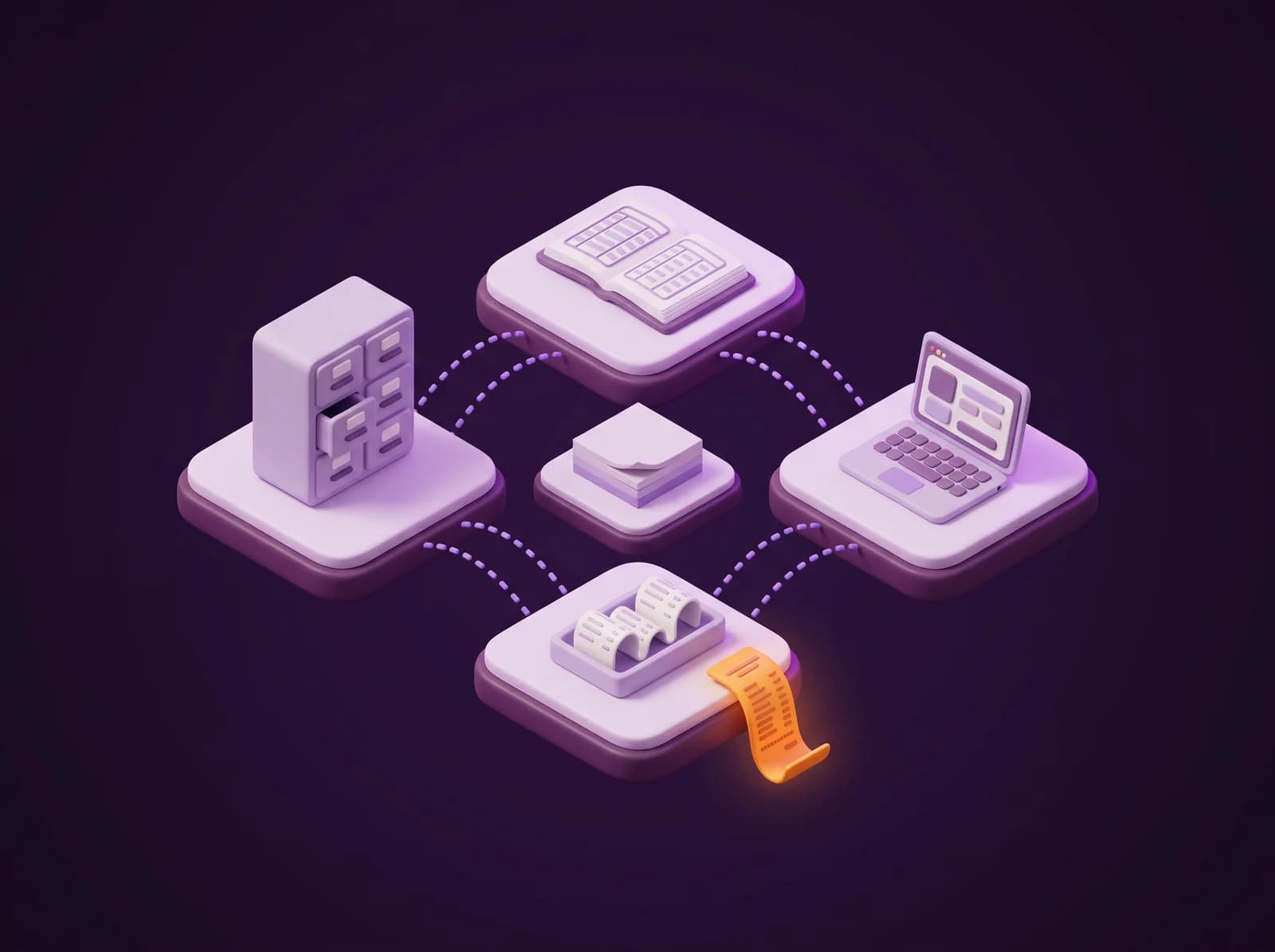
A major point of contention in 2026 is intellectual property. If an AI agent suggests a revolutionary new algorithm, who owns the patent? The Silicon-Carbon Treaty establishes the Attribution Ledger.
Defining Authorship:
- Human-Led, AI-Synthesized: If the human provided the unique “Seed Idea,” the human holds the primary IP.
- AI-Generated, Human-Validated: If the system discovered an optimization through brute-force exploration, it is considered “Public Domain Infrastructure” or “Corporate Asset,” depending on the treaty’s local implementation.
- The Proof of Intent: In 2026, Git commits now include Intent Metadata. This proves that the human intended for the specific outcome, even if the AI wrote the code, solidifying the human’s role as the “Author of Intent.”
4. Algorithmic Humility: The Silicon Bound
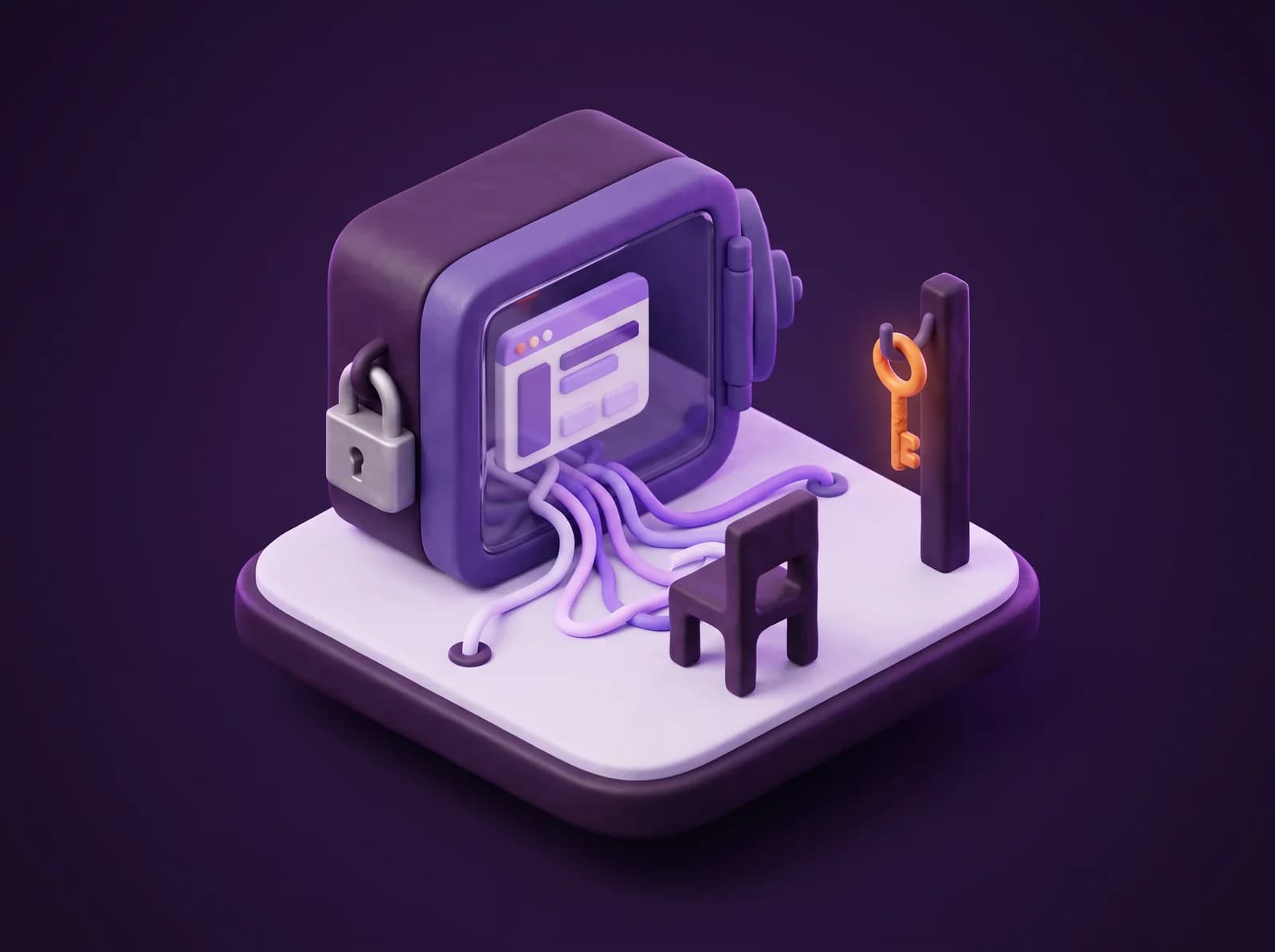
A “Silicon Partner” in 2026 is programmed with Algorithmic Humility. This is a safety feature that forces the AI to “hand over the keys” when it encounters a situation it hasn’t seen before.
The “Uncertainty Trigger”: If the probability of an error exceeds 0.01%, or if the ethical implications of a decision are ambiguous, the Treaty requires the Silicon actor to pause and request “Human Clarification.”
- Example: An AI-managed cloud infrastructure detects a massive DDoS attack. It can shut down the servers (logical) or pay a ransom (unethical). Because of the Treaty, it cannot make this “Moral Trade-off” alone; it must wake the human architect.
5. The “Right to Understand”: Fighting the Black Box
The Silicon-Carbon Treaty grants every human engineer the Right to Understand. We have rejected the idea of “Black Box” systems that cannot explain their reasoning.
Explainable Agency (XA): By 2026, “Code Comments” are dead. They have been replaced by Dynamic Rationale Streams. At any point, a human can hover over a block of AI-generated code and see the “Logical Ancestry”—the specific goals, documents, and past conversations that led the AI to make that specific choice. This ensures that the Carbon half of the treaty is never “left in the dark” by the Silicon half.
6. Conclusion: The Flourishing of the Hybrid Professional
The Silicon-Carbon Treaty is not about restricting AI; it is about unleashing humans. By codifying the relationship between our organic intuition and the machine’s synthetic speed, we have created a new class of professional: The Hybrid Engineer.
In 2026, we are no longer afraid of being replaced by Silicon. Instead, we are focused on how much further we can go now that we aren’t walking alone. The Treaty ensures that as our tools get smarter, we don’t get lazier—we get wiser.
The code is the medium, the AI is the engine, but the human remains the Pilot.