Introduction: The Tale of Two Projects
Imagine two business owners, Sarah and James. Both have a dream—Sarah wants to build a sleek new mobile app to streamline customer orders for her boutique, and James is eager to create a custom software platform that will revolutionize inventory management for his company.
Both approach a software development agency to turn their visions into reality. But here’s where their paths diverge: Sarah’s project follows an Agile approach, while James’ takes the Waterfall route. As their journeys unfold, each discovers the unique challenges and advantages of their chosen development methodology.
But how do you know which approach is best for your business? Let’s walk through Sarah and James’ experiences to see how Agile and Waterfall compare, and help you decide which might align with your project goals.
The Waterfall Approach: James’ Story
James had a clear vision for his inventory management software. He knew exactly what he wanted, and he wasn’t in a hurry. When the development team suggested using the Waterfall methodology, it seemed like the perfect fit.
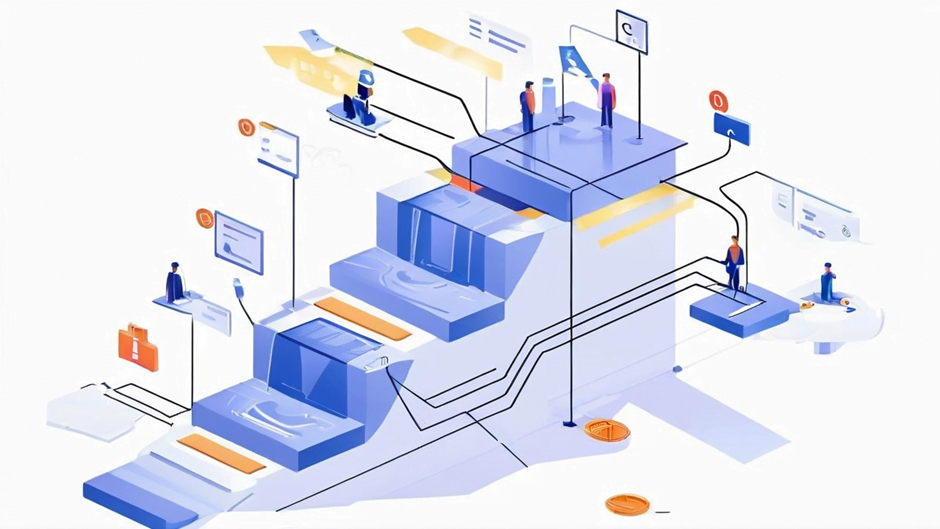
Waterfall is a linear, sequential approach to software development. The process moves from one stage to the next, like water cascading down a series of steps. For James, this meant starting with a detailed requirements phase, where everything was mapped out in detail before a single line of code was written.
The Waterfall methodology works best when project requirements are well-understood and unlikely to change. James appreciated this clarity and structure. The project team created a comprehensive plan, with clearly defined deliverables and milestones.
Advantages of Waterfall:
- Predictability: Waterfall’s linear nature made it easy for James to understand what was happening at each stage.
- Documentation: Detailed documentation helped everyone stay on the same page. From initial requirements to final testing, everything was documented and reviewed.
- Straightforward Process: Waterfall’s step-by-step process provided a clear roadmap with little room for ambiguity.
But as the project progressed, James encountered a challenge. After the development phase was complete, he realized that some features he initially thought were crucial were no longer as relevant. The market had shifted, and his needs had evolved. But in the Waterfall approach, changes at this stage meant significant delays and additional costs. Since Waterfall is less flexible, making adjustments midstream wasn’t easy. James had to wait until the testing phase to fully see how the software functioned, which meant unexpected changes could throw the entire timeline off track.
This taught James a valuable lesson: While Waterfall works well when everything is clearly defined upfront, it can be inflexible when the project needs to adapt to new information or evolving needs.

The Agile Approach: Sarah’s Story
Sarah’s project, on the other hand, took a different path. She knew she wanted to build a customer order app, but she wasn’t entirely sure of all the features she needed. She wanted the ability to test, adapt, and refine the app as she received feedback from her customers. When the development team recommended Agile, it sounded like the perfect solution.
Agile is all about flexibility. Rather than planning everything in advance, Agile breaks the project into smaller, iterative cycles called sprints. Each sprint lasts a few weeks and focuses on delivering a working piece of the software. At the end of each sprint, Sarah reviewed the progress, provided feedback, and made adjustments for the next cycle.
Advantages of Agile:
- Flexibility: Agile allowed Sarah to adapt the project as she went along. If a feature didn’t work as expected, it could be refined or replaced in the next sprint.
- Continuous Feedback: Regular feedback loops meant that Sarah was always involved in the process. She could see the app take shape in real-time and make informed decisions based on real user input.
- Faster Time to Market: Agile’s iterative approach allowed Sarah to launch a minimal viable product (MVP) early, giving her customers something to use while the rest of the app was still being developed.
As a result, Sarah’s app was ready for customers sooner than she had anticipated. And because she could adapt along the way, the final product was more aligned with what her customers actually needed. Agile’s flexibility had turned her app into a dynamic tool that could evolve alongside her business.
However, Agile wasn’t without its challenges. The flexibility that Sarah loved also required a significant time commitment. She had to be available for regular meetings and reviews, and the constant feedback loop sometimes felt overwhelming. Additionally, because Agile doesn’t define all the project’s details upfront, it can be harder to predict the final timeline and budget.
Agile vs. Waterfall: Key Takeaways
So, which methodology is right for your project? Here’s a quick comparison to help you decide:
- Waterfall works well for projects where requirements are clear and unlikely to change. It provides structure, predictability, and thorough documentation. However, it can be rigid, making mid-project adjustments difficult and costly.
- Agile is ideal for projects where flexibility is key. It thrives in environments where requirements may evolve, and continuous feedback is necessary. Agile can accelerate time to market and deliver more user-centered products, but it requires regular client involvement and can be harder to predict in terms of time and cost.
Which Methodology Should You Choose?
When deciding between Agile and Waterfall, consider your project’s specific needs. If you have a clear vision, a fixed budget, and a set timeline, Waterfall might be the right fit. On the other hand, if you anticipate changes, need early feedback, or want to launch quickly with an MVP, Agile is likely a better choice.
At Technovora, we understand that every project is unique. Whether you need the structured approach of Waterfall or the adaptability of Agile, our team is here to help you navigate the development process and choose the methodology that aligns with your goals.
Ready to bring your project to life? Let’s get started.