I remember sitting in a coffee shop, just a few years ago, discussing the future of software development with a colleague. We debated the usual suspects: AI, blockchain, cloud computing. But little did we know how quickly those predictions would become reality and how much they’d evolve into something far bigger than we could have imagined.
Now, as we stand on the cusp of 2024, the landscape of software development has changed dramatically. From the ways we build software to the impact it has on our daily lives, the trends we once speculated about have now become the driving forces of the industry. Let’s take a journey through some of the key trends that are shaping software development this year.

1. AI is Everywhere: From Assistants to Co-Developers
It feels like just yesterday when AI was a futuristic buzzword. Fast forward to today, and it’s everywhere in our homes, on our devices, even in the tools we use to develop software.
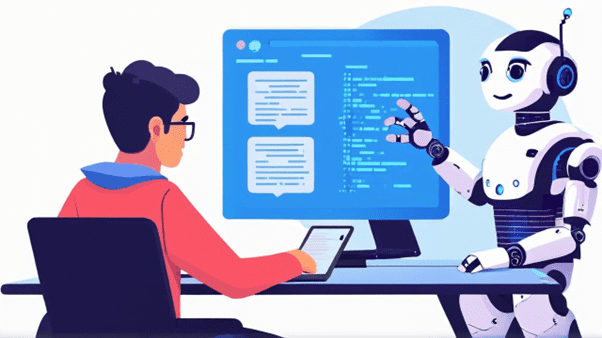
Imagine this: You’re writing code for a complex problem, and an AI-powered tool suggests optimizations, predicts bugs, or even generates portions of the code for you. No, it’s not science fiction. This is the reality of AI in software development.
Companies like GitHub Copilot and OpenAI’s Codex are transforming how developers work. AI is becoming our co-pilot, assisting with repetitive tasks, providing intelligent suggestions, and freeing up developers to focus on more creative, high-level thinking. Whether it’s automating testing, improving code quality, or even analyzing vast datasets to predict future needs, AI is embedded in the entire software lifecycle.
And it doesn’t stop there. AI isn’t just helping us write code; it’s reshaping entire industries. From healthcare and finance to retail and entertainment, AI-powered software is driving new innovations. The question is no longer “How will AI change software development?” but rather “How much more can it do?”
2. Machine Learning: Software That Learns and Grows
While AI often steals the spotlight, machine learning (ML) has been quietly revolutionizing how software operates behind the scenes. If AI is the brain, machine learning is the muscle — enabling software to adapt, improve, and make decisions based on data.
Picture this: A recommendation engine that understands your preferences better than you do, or a predictive maintenance system that knows when a machine will fail before it actually does. These are just a few examples of how machine learning is integrated into our everyday lives.
For developers, ML has opened up a new world of possibilities. Tools like TensorFlow, PyTorch, and Scikit-learn are making it easier for even non-experts to incorporate machine learning into their projects. It’s no longer a specialized skill reserved for data scientists; developers across the board are learning how to integrate ML models into their applications.
But the most exciting part? Machine learning is just getting started. As models become more sophisticated and data becomes more abundant, software will become increasingly autonomous, capable of making complex decisions without human intervention. The future isn’t just software that works it’s software that learns and evolves with us.
3. Blockchain: Beyond Cryptocurrencies
I remember when blockchain was synonymous with Bitcoin. If you weren’t building a cryptocurrency, why would you care about blockchain? That was the thinking back then. Today, that perception has completely changed.
Blockchain technology has found a home in industries far beyond finance. Whether it’s securing supply chains, verifying identities, or enabling smart contracts, blockchain is becoming an integral part of software development in ways we couldn’t have predicted.
One of the most fascinating developments is the rise of decentralized applications (dApps). These are apps that run on blockchain networks, offering unprecedented transparency, security, and user control. From decentralized finance (DeFi) platforms to non-fungible tokens (NFTs) in gaming and art, blockchain is powering the next wave of digital innovation.
But it’s not just about decentralization. Developers are now exploring how blockchain can be used to ensure data integrity, enhance cybersecurity, and create new forms of digital governance. In 2024, we’re no longer asking “Why blockchain?” we’re asking “How far can we take it?”
4. Cloud Computing: The Foundation of Modern Development
Remember the days when deploying software meant setting up physical servers, managing hardware, and worrying about scalability? Those days are long gone, thanks to the rise of cloud computing.
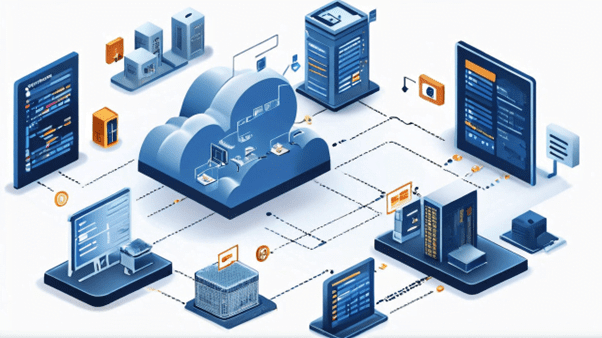
Today, cloud platforms like AWS, Azure, and Google Cloud are the backbone of software development. They provide everything from computing power and storage to advanced services like serverless architecture and machine learning as a service (MLaaS).
But cloud computing is far from static. In 2024, we’re seeing new trends emerge within the cloud ecosystem itself. Edge computing, for example, is bringing computation closer to the data source, reducing latency and enabling real-time processing. This is critical for applications like autonomous vehicles, IoT devices, and even virtual reality.
Then there’s the growing adoption of multi-cloud strategies, where companies use a combination of different cloud services to optimize their operations. Developers are now building applications that can run seamlessly across multiple cloud environments, ensuring flexibility and resilience.
Cloud computing has democratized software development, making it accessible to startups and enterprises alike. And as the cloud continues to evolve, it’s opening up new frontiers for innovation.
What’s Next?
As we move deeper into 2024, it’s clear that the software development landscape is more dynamic and exciting than ever before. AI, machine learning, blockchain, and cloud computing aren’t just trends — they’re the building blocks of the future.
For developers, this means endless opportunities to create, innovate, and push the boundaries of what software can do. For businesses, it means harnessing the power of these technologies to stay ahead of the competition.
As I sip my coffee and reflect on the journey so far, I can’t help but feel a sense of excitement for what’s to come. The future of software development isn’t just about writing code — it’s about shaping the world around us, one line at a time.
So, are you ready to be part of this transformation? Because the future is happening right now, and it’s nothing short of extraordinary.